
Negotiators from nearly 200 countries have gathered in Belém, Brazil, for the annual international climate change conference—known this year as COP30—in an effort to advance global climate solutions.
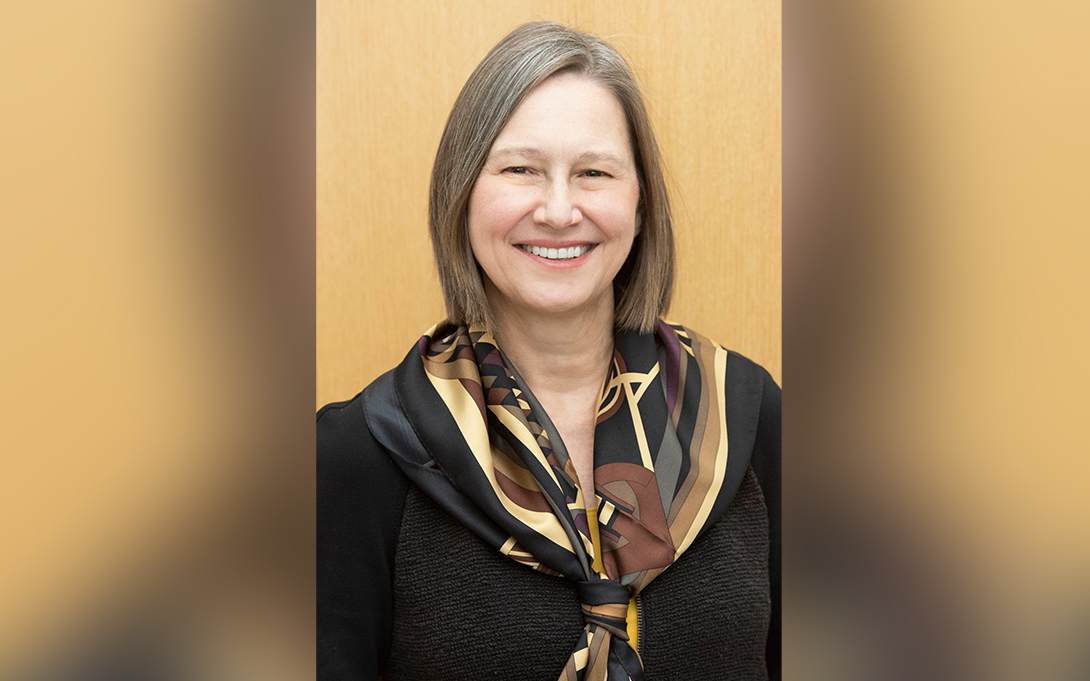
Jennifer Haverkamp, professor from practice of law and public policy, recently retired as director of the Graham Sustainability Institute. She was an ambassador and special representative in the U.S. Department of State during the Obama administration, where she led U.S. negotiating teams to successful climate agreements under the Montreal Protocol and the U.N. International Civil Aviation Agreement. Her areas of expertise include climate change diplomacy and negotiating dynamics, short-lived climate pollutants such as methane and hydrofluorocarbons, and issues at the intersection of climate change and international trade and competitiveness.
"As always, financing climate action—by whom, by when and how much—is a central issue for this COP. The Brazilian hosts want an agreed road map for implementing last year's commitment of $300 billion per year—a heavy lift as the global economy shudders from trade wars and the U.S. has shuttered its international aid program. It's actually good that the Trump administration isn't sending a high-level delegation, seeing how they've worked to undermine a landmark climate agreement at the International Maritime Organization and teamed up with the Saudis to torpedo a global plastics treaty. The U.N. has a much better shot at advancing its climate agenda without saboteurs at the table.
"Set in the heart of the Amazon, the Belem COP's success will also hinge on Brazil's ability to launch its Tropical Forests Forever Facility, designed to compensate countries for preserving tropical forests. Keeping those trees standing—and their vast carbon stores from being released—is critical to avoiding the worst impacts of climate change."
Contact: [email protected]