
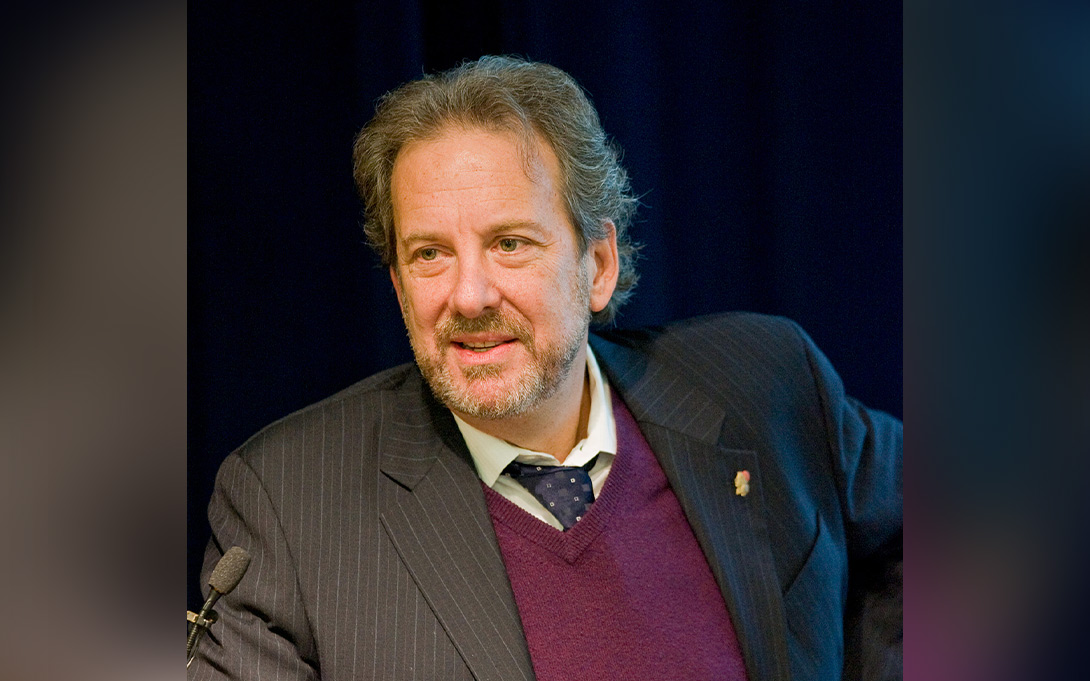
In a recent blog post for Psychology Today, Ford School adjunct research professor Scott Atran discussed the implications of recent federal policy shifts in military posturing.
Peace has not always been an international objective, Atran argues. For most of human history, civilizations were shaped by conflict and experienced peace as a brief pause between wars. The framers of the U.S. Constitution and Enlightenment philosophers reimagined a world where peace was the default state of all nations, and wrote treatises and governing documents with this ideal in mind. Their dreams became realized at the end of World War II, when the liberal international order created the United Nations and pledged to (however imperfectly) uphold a common peace. The U.S. signaled for peace in 1947 when the War Department became the Department of Defense. The ideal of peace as the foundation of international order became the norm.
“That legacy is now in jeopardy,” wrote Atran. “The recent executive order to scrap 'defense' and restore the 'war department' is not just a jab at woke infecting the military bureaucracy or a nostalgic plea for masculine grit in a dog-eat-dog world of competing powers,” he said. “It overturns the modern premise that peace, not war, is the baseline of national and international life that the military should plan to secure.”
Atran is the author of Psychology Today’s “In Gods We Trust” blog, where he discusses a wide range of topics from cognitive anthropology to political economy. Read his most recent post here.
