
The University of Michigan is launching the 2026-27 Year of Human Health and Well-Being as part of the university's Look to Michigan vision.
The year will create opportunities for people across U-M to connect their work and expertise to advance health and well-being.
The theme year is one way the university is putting the Look to Michigan vision into action, mobilizing U-M's collective strengths through a cross-campus effort bringing together work in prevention, health equity, partnership, education, and innovation to advance whole-person well-being and create the conditions for every individual and community to thrive.
It will explore critical issues such as health disparities and access to care, disease management and prevention, advancements in healthcare delivery, mental health resources, and support for healthcare providers, all of which present opportunities for U-M to employ innovative approaches that are both multidisciplinary and holistic.
The co-leads for the Year of Human Health and Well-Being are:
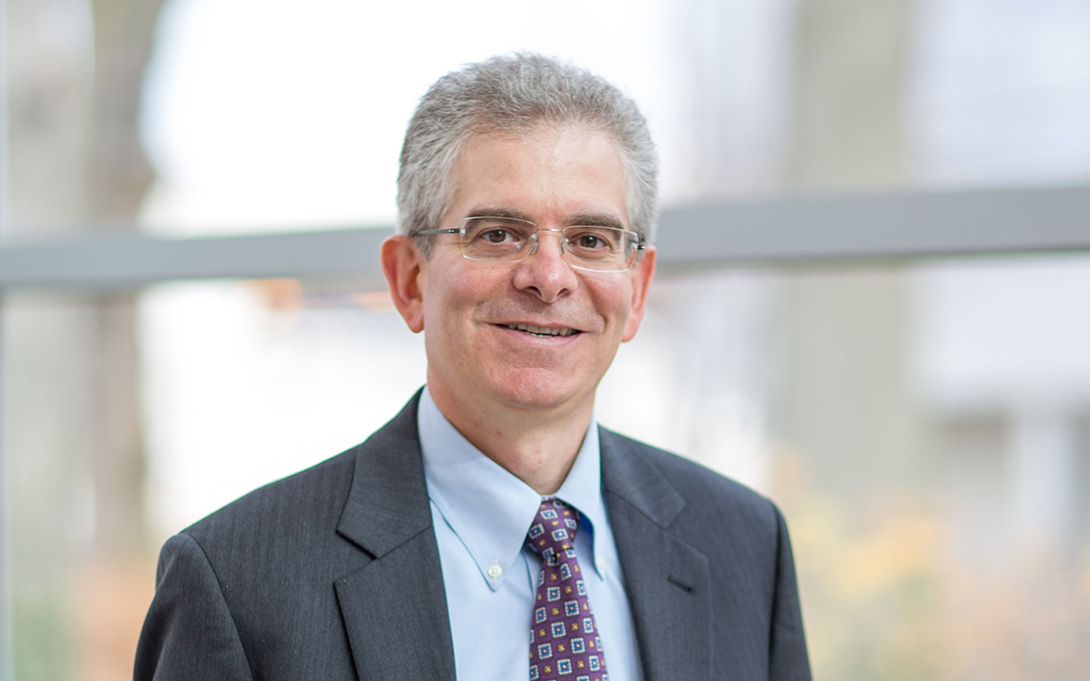
- John Ayanian, Alice Hamilton Distinguished University Professor of Medicine and Healthcare Policy, director, Institute for Healthcare Policy and Innovation, professor of internal medicine, Medical School; professor of health management and policy, School of Public Health; and professor of public policy, Gerald R. Ford School of Public Policy.
- Rob Ernst, chief health officer, associate vice president for health and wellness in Student Life, and assistant professor of internal medicine, Medical School.
- Karen Schmidt, senior director of MHealthy, Health and Well-being Services.
In addition, Dean Beth Angell of the School of Social Work will serve as a liaison between the theme year and the Health Science Deans Council, incorporating academic, research, and teaching perspectives into the operational planning.
"The theme year presents an opportunity to highlight and accelerate the university's innovations in healthcare delivery and policy. Our ability to collaborate creatively across disciplines is both a special strength of the University of Michigan, and clearly needed to meet the most pressing health challenges," Ayanian said.
Initial efforts of the theme year will largely focus on the university community — including Dearborn, Flint, and Michigan Medicine faculty, staff and learners — bringing people together across disciplines and campuses to share ideas, build connections, and advance work already underway. Community partnerships will play a vital role in the longer term.
"The well-being of our students, faculty and staff is inseparable from the well-being of our broader community," Schmidt said. "I'm excited for the theme year to build on the incredible work already happening across U-M and in communities throughout Michigan. By strengthening connections and collaboration, we can create lasting impact and foster a university culture where well-being is a shared priority."
Importantly, the theme year's focus on the U-M community's personal health and well-being will enable U-M to further develop policies and systems that support truly comprehensive well-being.
"A lasting takeaway from the pandemic days is the deeply interconnected nature of all dimensions of well-being," Ernst said. "Mental health, our environment, and even our sense of connection directly impact our physical health and vice versa. We may know that intuitively, but the theme year allows us to put this instinct into action."
The theme year co-leads have identified, with ample community feedback, five main areas of focus for the year ahead:
- A Vibrant, Health-Conscious Culture: Embedding well-being into the culture of the university, from systems and policies all the way to programs and resources.
- Mental Health and Whole-Person Well-Being: Prioritizing mental health and whole-person well-being as foundational to effective learning, work, and care delivery.
- Health Equity and Community Well-Being: Leveraging U-M's strengths with community-defined priorities to promote health equity on campus and beyond.
- Interprofessional Health Science Education and Practice, and the Healthcare Workforce of the Future: Engaging learners, practitioners, and health system partners across all campuses as co-creators towards common goals.
- Innovation in Health Sciences Research, Healthcare Delivery, and Health Technology and Policy: Generating new knowledge and discoveries in basic, translational, and applied health services research that transcends traditional boundaries.
The co-leads are working to amplify existing programming, develop grant opportunities across the five areas of focus, and plan signature theme year events. The theme year team will collect and share information on health and well-being events, news and opportunities from units across all three U-M campuses and Michigan Medicine.
Faculty and staff across U-M are invited to contribute to the theme year by sharing relevant programs and events, exploring opportunities for collaboration and participating in theme year activities throughout the year.
