
University and college campuses in Michigan serve as a hub for youth civic engagement, offering civic education and nonpartisan resources for students.
At the University of Michigan, UMich Votes promotes nonpartisan paths to voting for the student population.
Students face several barriers that made voting less accessible, including travel to city hall for registration and ballot information. To minimize these barriers, UMich Votes worked with the Ann Arbor City Clerk's office to establish two satellite city clerk's offices.
"In 2022, we had lines of literally six hours at these on campus locations because these locations are if you hadn't registered to vote, you can register then and vote and that was just taking a really long time," said Jenna Bednar, a professor of political science and public policy at U-M.
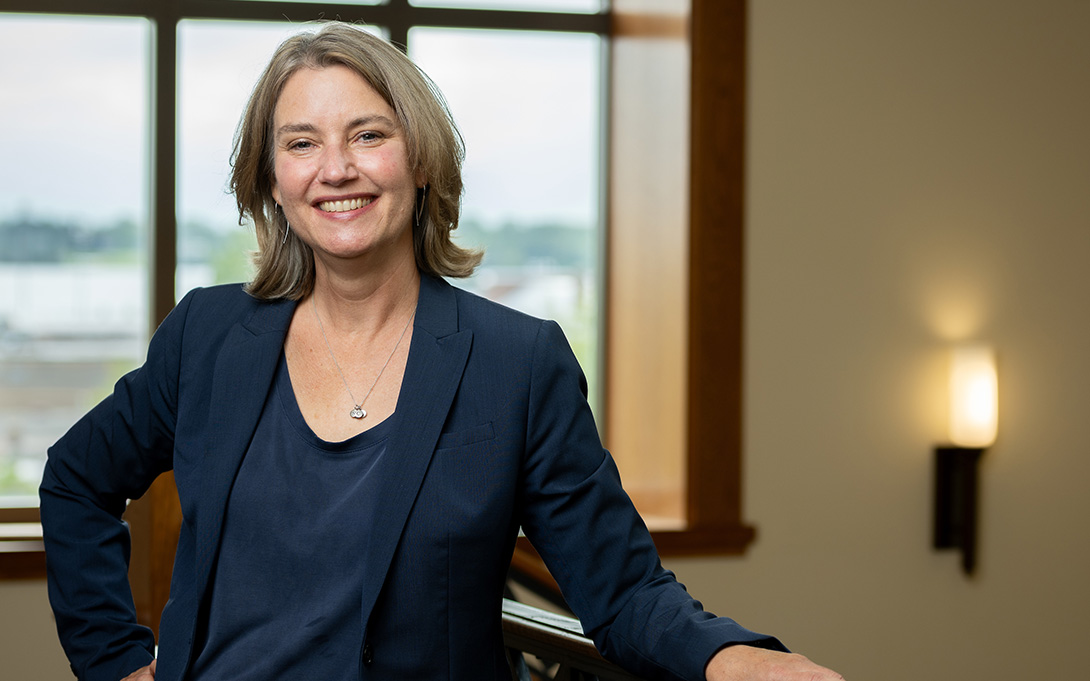
Bednar is also director of the campus-wide initiative on democracy and civic empowerment and founding faculty director of UMich Votes.
"That is disenfranchisement. We were so pleased this year to have a massive early registration campaign at the satellite city clerk's offices right on campus."
The wave of early registrants significantly decreased the amount of voting time, cutting down long poll lines exponentially.
"I am pleased to say that the longest line on election day was about 15 or 20 minutes," Bednar said.
The city clerk's offices offer resources and early voter sign-up that bolsters political engagement on campus by heightening its accessibility.
Many students hail from out of state, so UMich Votes provides resources for students to understand their choices when registering to vote.
"We don't in any sense push students to make a choice, but we want them to know that they do have a choice," Bednar said.
The organization also provides resources to limit the fear students may face when voting.
"Being a first-time voter is very intimidating. For democracy to work, we need everybody to participate. It shouldn't be scary, and that's what we're trying to do – make it a lot less scary," Bednar said.
"It's young people's first time voting, and if you don't know what you're doing, basically the default thing is to not participate. And we want everybody to participate, so let's just make it a lot easier. The electoral rules and a supportive Secretary of State implementing them has made it a lot easier [to vote] in the state," Bednar said.
