
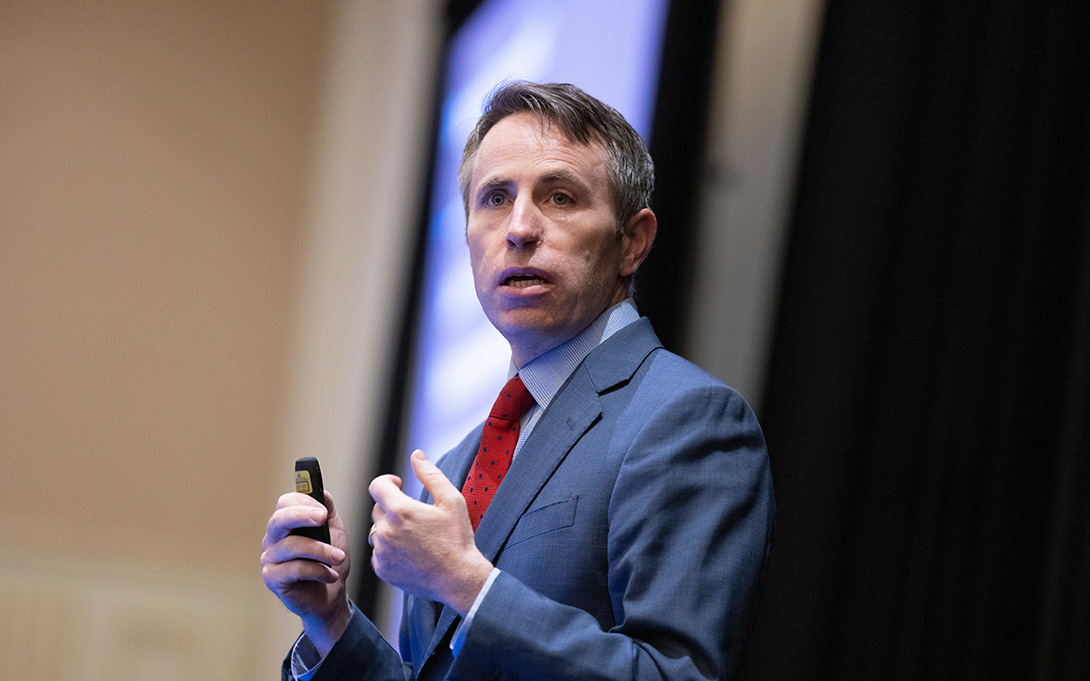
Don Moynihan, J. Ira and Nicki Harris Family Professor of Public Policy and co-director of the Better Government Lab, received one of six stipends from the Accountability and Reform Research Consortium (ARRC).
Moynihan's project will focus on the Internal Revenue Service (IRS), which embarked on a significant modernization effort following new funding from the Inflation Reduction Act. A notable component of this modernization was the development of Direct File, a free tax-reporting system offered by the IRS, which was later discontinued during the Trump administration. Documentation and analysis of the IRS Direct File case offer a high-profile opportunity to assess new personnel and technological investments in a core government function alongside the implications of its sudden reversal.
This research is part of a collective effort between The Better Government Lab, ithe Beeck Center for Social Impact + Innovation and Federation of American Scientists, to track digital talent lost from the federal government over the last year.
"Producing rigorous, publicly accessible scholarship is precisely what schools of public service should be doing at this moment," said Celeste Watkins-Hayes, Joan and Sanford Weill Dean of Public Policy, University of Michigan. "The projects underway here are not just academic exercises; they are generating the data infrastructure and analytical frameworks that government officials, journalists, and our communities will rely on for years to come. We are proud to support this work and the researchers behind it."
Read more about the ARRC awards.
The Volcker Alliance awarded six stipends to support research teams across nine universities that seek to analyze the impact of recent reductions to the federal workforce on public service delivery, citizens, and democratic governance. This is the inaugural round of stipends issued by the Accountability and Reform Research Consortium (ARRC). All six projects align with the research agenda outlined by ARRC's Workforce and Expertise Community of Practice. The findings and tools produced by these researchers will be made public and accessible on the ARRC webpage this summer.
