
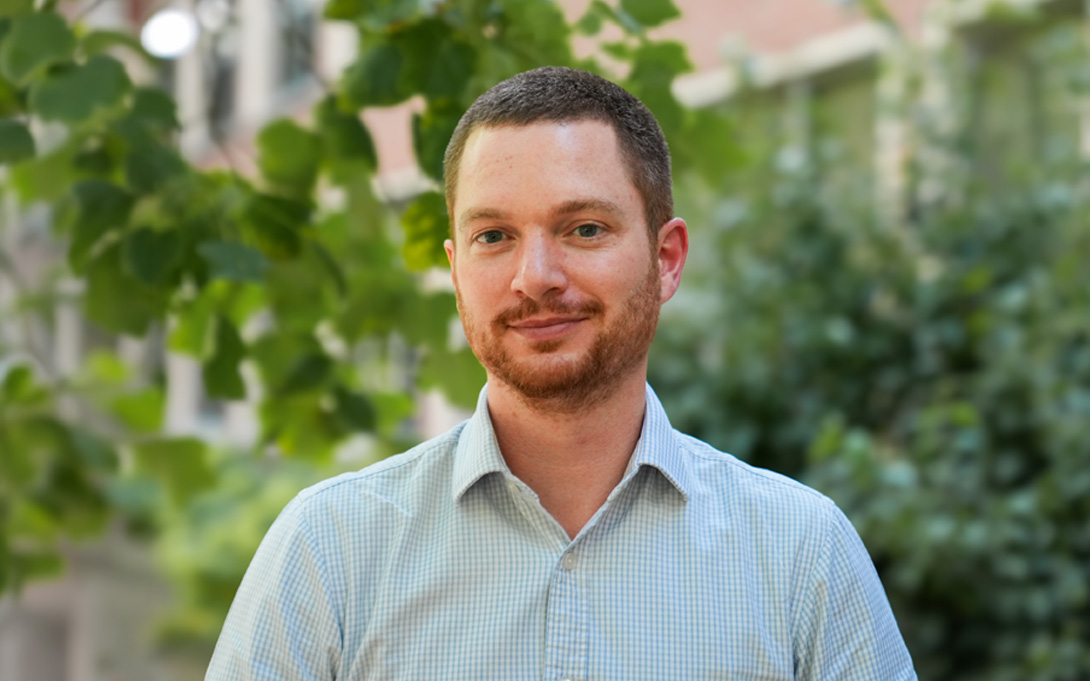
Drawing on his new book, Reform as Process: Implemeting Change in Public Bureaucracies, Martin Williams, spoke with VoxDev about his theory of how systemic reform can lead to meaningful change through an ongoing and decentralized process of continuous improvement, rather than formal top-down interventions.
Williams shared that when Ghana's newly appointed head of civil service asked him what the evidence said about improving a civil service, he couldn't point to much data. That was in 2014, and since, he has spent over a decade trying to answer that question.
"It's the type of question that I think most academics don't ask, because it's too big, it's too hard, it's too messy to answer," he said.
Williams studied civil service reform in six African countries, examining 131 reform efforts. He found that consistently, across countries, across decades, reform efforts attempt to improve employee motivation, accountability, and performance culture.
He outlined what makes reform so difficult and reasons why most of them fail. Then, drawing from the reforms that produced meaningful, sustained change, he identified three rules of thumb for effective reform:
- Improve performance within existing rules before creating new ones;
- Treat change as a series of small steps rather than a single transformative intervention;
- Decentralize reform leadership, creating conditions in which teams across the organization can identify and address their own performance challenges.
Williams is an associate professor of organizational studies and (by courtesy) political science and public policy.
Read the book, Reform as Process: Implementing Change in Public Bureaucracies (Columbia University Press, 2026)
