

The Possibilities and Limitations of Cross-Sector (Housing-Schools) Policies: A Study of the Choice Neighborhoods Initiative in Detroit
Speaker
Dr. Kara FinniganDate & time
Oct 26, 2026,
12:00-12:50 pm EDT
Location
DESCRIPTION
Although scholars have long argued that housing policy is education policy (and vice versa), efforts that bridge education and housing are rare. Dr. Finnigan will discuss her current study of one of the few cross-sector approaches: the Choice Neighborhoods Initiative (CNI) funded by the U.S. Department of Housing and Urban Development (HUD). Using multiple methods, including social network analysis, the longitudinal study explores how CNI is being implemented in the Corktown neighborhood of Detroit at multiple levels: the governance structure (or network of agencies and organizations); the CNI core components (e.g., housing, people, neighborhood); and the family level (families who originally lived in the housing complex targeted for redevelopment and others in the surrounding area). She'll share details about the early results from this study, including the complex relationships and network dynamics they have uncovered, as well as the ways that the research team works closely with community partners in Detroit.
BIO
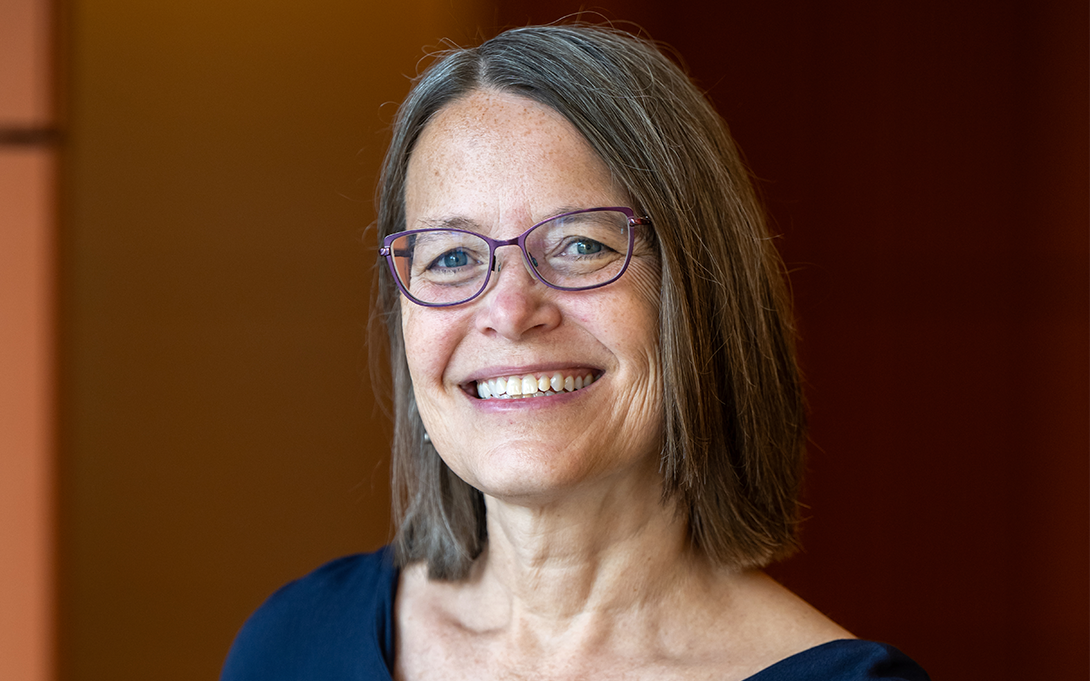
Kara S. Finnigan is an accomplished academic leader whose career spans schools, nonprofits, think tanks, philanthropy, and higher education institutions. She currently serves as associate dean for faculty and student development at the University of Michigan's Marsal Family School of Education, and is a professor in the Education Studies program, teaching courses in education policy, sociology of education, politics of education, and research methods.
Dr. Finnigan has studied educational policies and programs at the local, state, and federal level for more than 30 years. She has written extensively about high-stakes accountability and school choice and focuses on issues of racial justice and equity in policy design, implementation, and outcomes. Her research blends perspectives in education, sociology, and political science and employs both qualitative and quantitative methods, including social network analysis and GIS mapping. She is currently studying connections between education and housing policies; social movements around integration in metropolitan areas; and the social networks of educational leaders around research evidence.
Have any questions?
Contact