
Remote video URL
Michigan Secretary of State debate
Speaker
Anthony Forlini, Garlin Gilchrist II, Jordyn Hermani, Zach Gorchow, Celeste Watkins-HayesDate & time
Oct 8, 2026,
6:30-7:30 pm EDT
Location
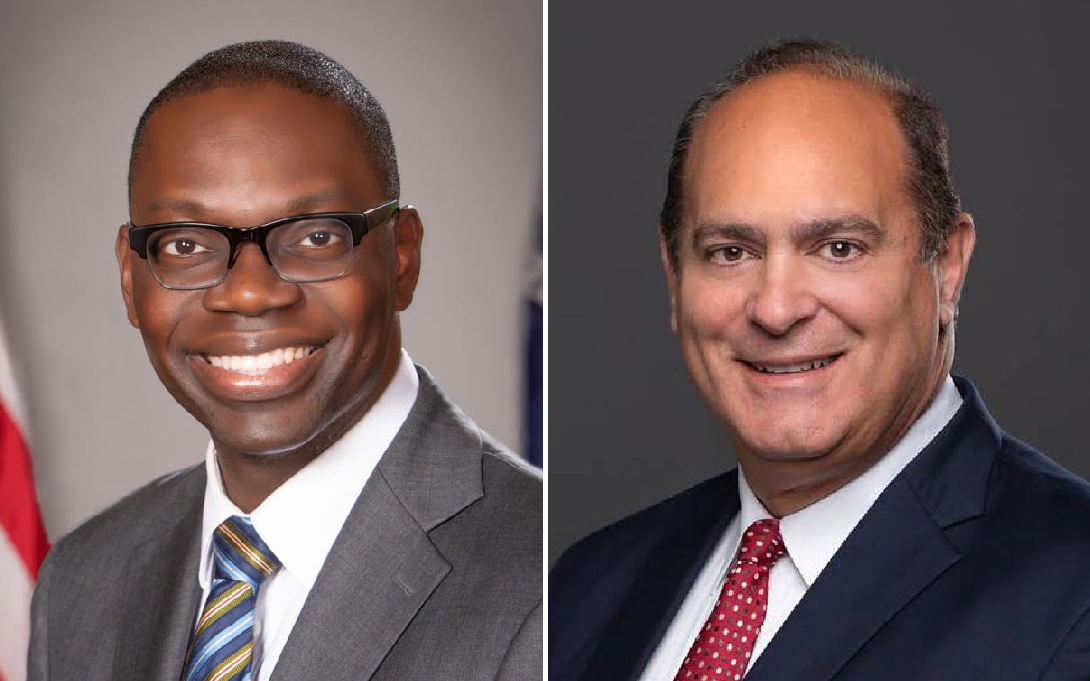
The University of Michigan's Gerald R. Ford School of Public Policy will host a debate between the Democratic and Republican candidates for Michigan secretary of state, on October 8, 2026, 6:30-7:30 pm.
The campaigns of Michigan Lieutenant Governor Garlin Gilchrist II (Dem) and Macomb County Clerk Anthony Forlini (Rep) have agreed to a one-hour debate, to be held in the Annenberg Auditorium at the Ford School's Weill Hall in Ann Arbor.
Bridge Michigan will serve as the lead media and editorial partner for the debate, with correspondent Jordyn Hermani serving as lead moderator. Gongwer | State Affairs will serve as a media partner, and Gongwer Michigan President Zach Gorchow will serve as co-moderator.
Student representatives from the Michigan College Democrats and Michigan College Republicans will also have an opportunity to ask questions.
"We are pleased and honored to host this important event. Open debate and respectful discourse are cornerstones of a healthy democracy, and they are central to the Ford School's commitment to rigorous policy analysis and the public good," said Celeste Watkins-Hayes, the Joan and Sanford Weill Dean of Public Policy at the Ford School. "The work of the secretary of state's office touches all Michiganders, and we look forward to hearing from the two candidates about their visions for the next four years."
The debate is relevant to the Ford School's Conversations Across Differences event series, which models reasoned, evidence-based debate and promotes constructive dialogue across partisan, ideological, and identity perspectives.
The debate is open to the public though seating may be limited and subject to a lottery.
